Introduction: Why the Login Step Matters
The login process is the gateway to everything you can do on an exchange — portfolio overview, trading, withdrawals, account settings and identity documents. For a regulated Canadian exchange like Coinsquare, protecting the login is essential because it controls access to irreversible transfers and sensitive personal data. A secure login is therefore a combination of strong credentials, platform protections, device hygiene, and user awareness.
Understanding the Typical Coinsquare Login Flow
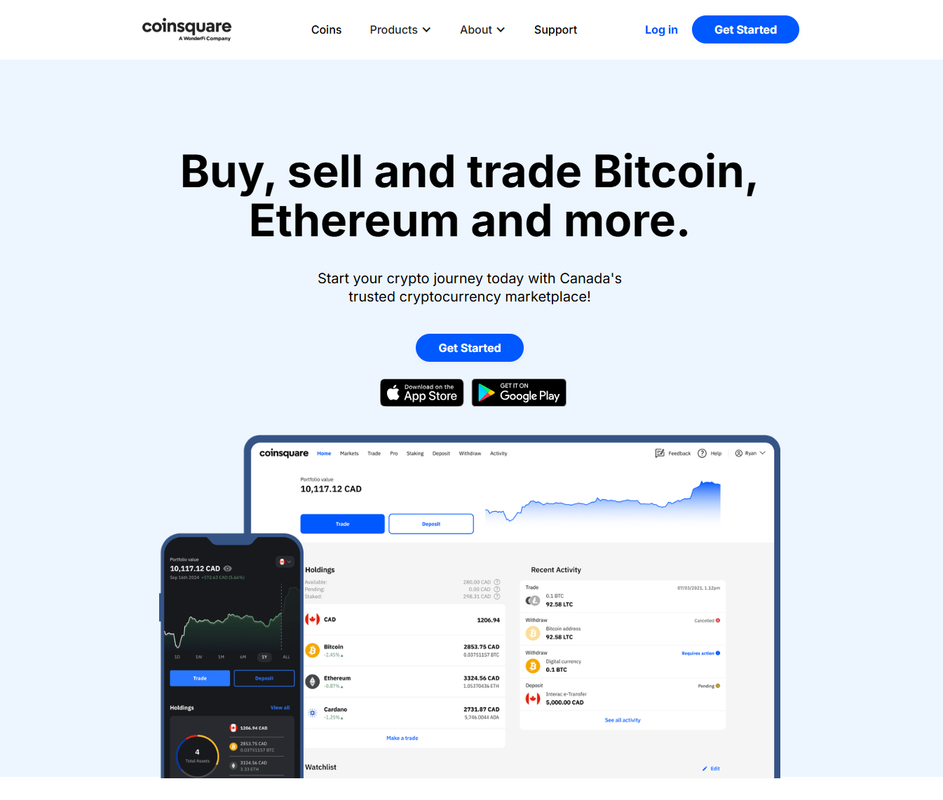
While implementations vary over time, most reputable exchanges follow a similar pattern. You begin with your registered email and password. If multifactor authentication (MFA) is enabled, a code is requested. The platform’s backend runs risk checks — device reputation, IP geolocation, and pattern analysis — and may require additional verification for new or risky login attempts.
- Go to the verified Coinsquare website (type the domain or use a bookmark).
- Click “Login” and enter your email and password.
- If required, enter a 2‑factor authentication (2FA) code from an authenticator app or SMS.
- Confirm any new device via email or additional prompts if Coinsquare flags the session.
- Once verified, you’ll be redirected to your dashboard.
Why Exchanges Do Extra Checks
Extra checks (email confirmations, identity questions, or temporary holds) help reduce fraud. They raise the cost and complexity for attackers attempting credential stuffing or automated attempts, while providing a safety net for end users.
Two‑Factor Authentication (2FA): The Most Important Step
Enabling 2FA is the single most effective protective measure you can take beyond a unique password. Authenticator apps (Google Authenticator, Authy) produce time‑based one‑time codes that are much harder for attackers to intercept than SMS. Hardware security keys (FIDO2 / WebAuthn) are even stronger and provide phishing‑resistant authentication.
- Use an authenticator app instead of SMS when possible.
- Store backup codes offline (paper or metal), not in the cloud.
- Consider a hardware key for high‑value accounts.
Passwords & Password Managers
Unique, long passwords are the foundation of account security. Avoid reusing passwords across sites. A reputable password manager (Bitwarden, 1Password, LastPass) alleviates the burden of memorizing complex passwords and protects you from credential‑replay attacks when other sites are breached.
Recognizing and Avoiding Phishing
Phishing is the most common way attackers obtain credentials. They’ll send convincing emails or fake websites that mimic Coinsquare’s look. To avoid phishing:
- Never click on login links from unsolicited emails — type coinsquare.com (or the official domain) manually or use bookmarks.
- Always check for HTTPS and the correct domain name before entering credentials.
- Be skeptical of emails demanding urgent action; these are classic phishing triggers.
Protecting Your Recovery & Contact Channels
Your email is frequently used for password resets — so secure that account too. Enable 2FA on your email, use a separate strong password, and monitor it closely. Consider adding a recovery phone and keeping it secured against SIM‑swap attacks by adding carrier security PINs.
Troubleshooting Common Login Problems
Despite precautions, users will sometimes face login issues. Below are common problems and safe steps to resolve them.
Forgotten Password
Use the official “Forgot Password” flow. Coinsquare will send a reset link to your registered email. If you don’t receive it, check spam and ensure your email provider didn't block the message.
Lost 2FA Device
If you lose your 2FA device, restore access via backup codes. If backup codes are unavailable, contact Coinsquare support and be prepared for a strict identity verification process (photo ID, proof of recent transactions, etc.). This friction is intentional to prevent fraudulent account takeovers.
Account Temporarily Locked
Repeated failed attempts or suspicious behaviour can trigger temporary locks. Wait for the cooldown or follow recovery steps provided by the platform. Avoid repeatedly trying random passwords — this will prolong lockouts.
Device or Browser Issues
Corrupt cookies, interfering browser extensions, or outdated browsers can prevent logins. Try clearing cache, using a private/incognito window, or switching browsers. Always ensure JavaScript is enabled and adblockers that may break authentication flows are temporarily disabled when troubleshooting.
Advanced Protections for High‑Value Accounts
If you manage large holdings, consider these additional measures:
- Withdrawal whitelist: restrict withdrawals to approved addresses only.
- Account hold periods: enable delays on large withdrawals to allow you time to respond.
- Hardware security keys: for phishing‑resistant authentication.
- Separate accounts: use different accounts for trading vs. long‑term holdings.
What to Do If You Suspect a Compromise
Act quickly: change your password, revoke active sessions (if the platform offers that feature), remove linked API keys, and contact Coinsquare support. If your email may be compromised, secure that first. Document transaction IDs and irregular activity to help support investigate.
Safety Habits — Day‑to‑Day
Good security is a habit. Regularly review account activity, rotate credentials periodically, keep software updated, and avoid unnecessary exposures like saving passwords in browsers on public machines. Use a dedicated password manager and keep one offline, air‑gapped copy of critical recovery data when appropriate.
Mobile Login & App Security
If Coinsquare provides a mobile app, apply the same caution: download only from official app stores, enable biometric locks, and avoid using rooted/jailbroken phones. Mobile devices should have device encryption enabled and a strong screen lock.
Understanding the Balance Between Usability & Security
Platforms must balance user convenience and security. Many protective controls add friction (extra confirmations, identity checks), but they significantly reduce risk. As a user, prioritize security for valuable accounts; convenience tweaks are fine for low‑value activities, but never at the expense of core protections.
Final Recommendations
To recap: use a password manager with unique passwords, enable 2FA (prefer authenticator apps or hardware keys), secure your email, avoid phishing, and be ready to prove identity in the event of loss. Leverage platform features like withdrawal whitelists and session management, and treat any unexpected notification as a possible security event until proven otherwise.
This article is for educational purposes only and is not affiliated with Coinsquare. For account-specific assistance, always use Coinsquare’s official website and support channels.